🗓️ Check In: July 4, 2027
🗓️ Check Out: July 17, 2027
🧭 Duration: 14D/13N
📍 Location: Windhoek

💵 Price: 385,000/-

1 in stock

Namibia Photography Expedition — Self‑Drive Adventure

Use this Coupon for Members, Friends, and Couples sharing Rooms: 5%off

Or special discount = no fix discount

About The Tour

Experience Namibia like few travelers do: behind the wheel of a rugged Toyota Hilux, equipped for overland camping. This 13‑day self‑drive journey takes you across deserts, coasts, granite peaks, and wildlife‑rich savannahs, with every stop chosen for its photographic potential. From surreal landscapes to star‑filled skies, and the unforgettable wildlife of Etosha, this expedition is designed for photographers who want both freedom and immersion.

Highlights Self‑drive freedom: Navigate Namibia in a Toyota Hilux,fully equipped for camping.

Quiver Tree Forest: Iconic silhouettes under theà Milky Way.

Kolmanskop: Surreal abandoned houses filled with sand.

NamibRand: One of the darkest skies on Earth.

Sossusvlei: Red dunes and Deadvlei star trails.

Spitzkoppe: Granite arch framing the Milky Way.

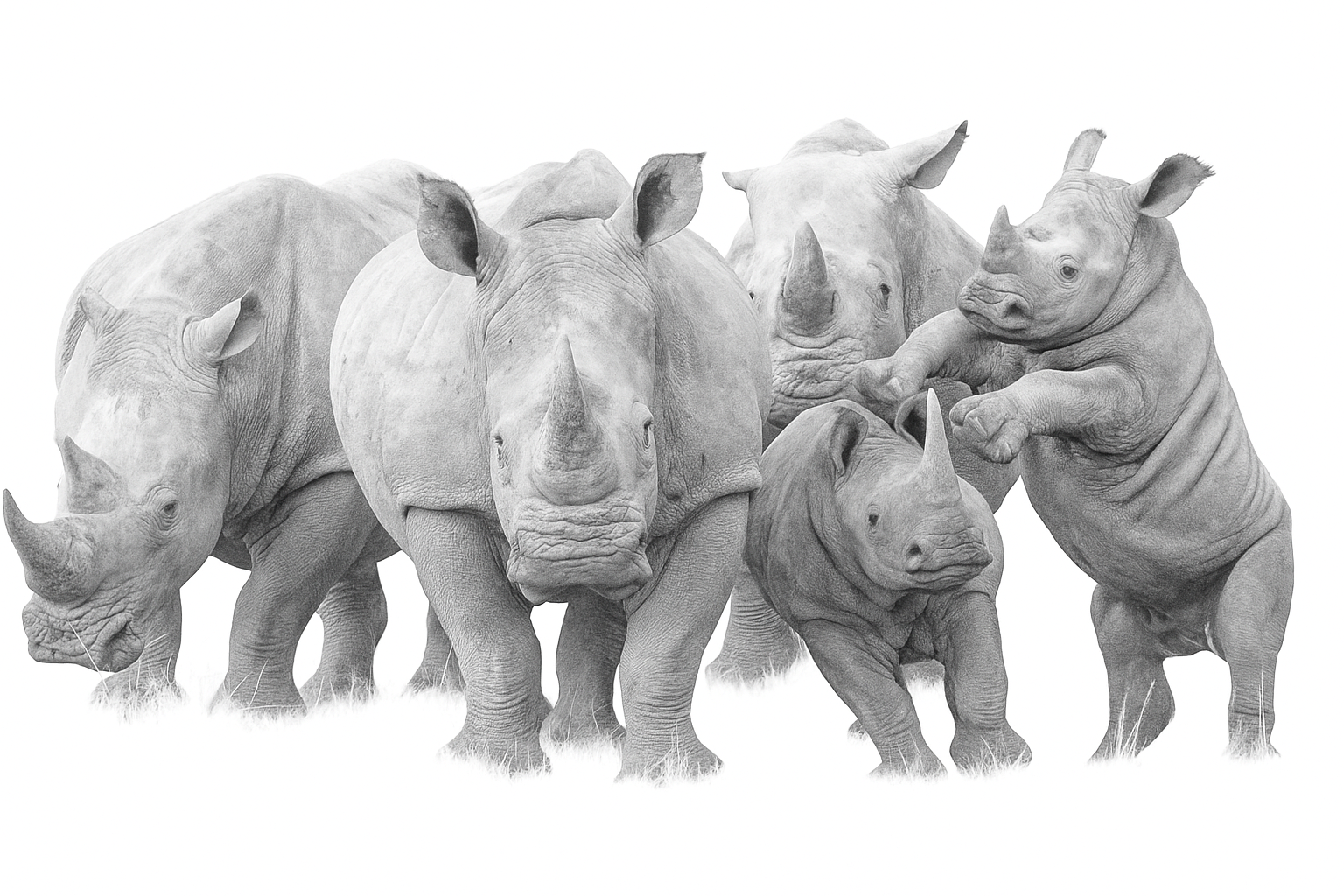
Etosha: Lions, elephants, rhinos, and dramatic waterhole skies

VEHICLE:
The vehicle for your expedition is a 4×4 Toyota Hilux, fully equipped for overland travel. It comes with an overhead rooftop tent for camping, plus gear for self‑cooking, making it ideal for Namibia’s rugged terrain and remote campsites.

NUMBER OF GUESTS:
6-9 Pax.

🗓️ Check In: July 4, 2027
🗓️ Check Out: July 17, 2027
🧭 Duration: 14 Days / 13 Nights
📍 Location: Windhoek
💵 Price: 385,000 + 5% GST
Namibia Photography Expedition — Self‑Drive Adventure
Your adventure begins as you arrive at Windhoek International Airport, where you’ll be met and handed over your 4×4 Toyota Hilux, fully equipped with an overhead rooftop tent and camping gear for self‑cooking. After a quick orientation, you’ll head into Windhoek to buy groceries and essential supplies for the journey ahead. This is the perfect time to stock up on fresh produce, dry goods, and any personal items you’ll need for camping across Namibia’s remote landscapes. The evening is spent in Windhoek, giving you time to rest, settle into your vehicle setup, and prepare for the road trip. Overnight stay in a windhoek ensures you’re refreshed and ready to begin the expedition the next morning.
After your overnight stay in Windhoek, the journey begins southward toward the Quiver Tree Forest (approx. 480 km / ~5 hrs). This drive introduces you to Namibia’s wide‑open landscapes and sets the tone for the adventure ahead. Upon arrival, you’ll set up camp with your Toyota Hilux 4×4 rooftop tent and prepare for an evening of photography. The Quiver Tree Forest is famous for its striking silhouettes against the desert horizon — a perfect subject at sunset. As night falls, the area transforms into one of Namibia’s most iconic astrophotography locations. The Milky Way arcs above the quiver trees, offering dramatic compositions for long‑exposure shots.
The day begins early with a sunrise shoot at the Quiver Tree Forest, where the first light of dawn paints the desert sky in vivid colors. This is one of the most magical moments to capture the quiver trees in silhouette against the rising sun. After the shoot, enjoy a self‑cooked breakfast using your fully equipped Toyota Hilux 4×4 rooftop tent setup, before packing up camp and heading west toward the coast. The drive to Lüderitz (approx. 360 km / ~4 hrs) takes you through stark desert landscapes, eventually reaching the Atlantic shoreline. In the afternoon, explore Kolmanskop Ghost Town, where abandoned houses reclaimed by sand create surreal photographic opportunities. As night falls, Lüderitz offers the chance to capture the ghost town under the stars, blending history with astrophotography. Overnight stay in Lüderitz ensures comfort and proximity to this unique site.
Wake up in Lüderitz and enjoy a relaxed morning before setting off inland toward the NamibRand Nature Reserve (approx. 500 km / ~6 hrs). The drive takes you from the Atlantic coast back into Namibia’s vast desert interior, with changing scenery along the way. Upon arrival, you’ll set up camp with your Toyota Hilux 4×4 rooftop tent, surrounded by rolling desert hills and endless horizons. NamibRand is a certified Dark Sky Reserve, making it one of the best places on Earth for astrophotography. At sunset, the desert glows in soft pastel tones, perfect for wide‑angle landscape shots. As night falls, prepare for deep‑sky photography under pristine conditions — the Milky Way, star clusters, and long exposures are all possible here thanks to the absence of light pollution.
Wake up in the pristine NamibRand Dark Sky Reserve after a night of astrophotography. Following breakfast and camp pack‑up, drive north toward Sossusvlei (approx. 120 km / ~2 hrs). Arrive at the heart of the Namib Desert, home to Namibia’s legendary red dunes. Set up camp with your Toyota Hilux 4×4 rooftop tent and spend the afternoon exploring Dune 45 and the surrounding desert landscapes. Sunset paints the dunes in vivid tones, offering dramatic compositions for wide‑angle shots. As night falls, prepare for astrophotography at Deadvlei, where fossilized camel thorn trees stand stark against the star‑filled sky — one of Namibia’s most iconic night photography locations..
Your adventure continues with an early morning guided sunrise tour to Big Daddy dune and Deadvlei, two of Namibia’s most iconic desert landmarks. As the sun rises, the fossilized camel thorn trees cast long shadows across the clay pan, while panoramic views from Big Daddy’s summit reveal the vastness of the Namib Desert. After the shoot, breakfast is served at the dunes before returning to camp. From here, the journey heads north toward Walvis Bay, a drive of about five hours across desert plains. On the way, you’ll stop at Solitaire, a quirky desert settlement famous for its rustic bakery and legendary apple pie — the perfect lunch break. By late afternoon, you’ll arrive in Walvis Bay, where the lagoon comes alive with flamingos. Sunset here offers spectacular opportunities to photograph the vibrant flocks against glowing waters, closing the day with a coastal flourish. The following morning begins at Pelican Point, where pelicans, seals, and the lighthouse create striking compositions in the soft dawn light. After some time exploring the lagoon and relaxing during the day, the evening is reserved for a guided 4×4 tour to Sandwich Harbour. Here, the towering dunes of the Namib Desert plunge directly into the Atlantic Ocean, creating one of Namibia’s most dramatic landscapes. Sunset at Sandwich Harbour is unforgettable, with sweeping dune‑sea panoramas and wildlife encounters adding depth to your photography. Overnight stays in Walvis Bay ensure comfort and easy access to these coastal highlights.
After breakfast in Walvis Bay, you’ll set out northeast along the B2 highway toward Spitzkoppe, a journey of just over two hours. The route passes through Swakopmund and Usakos, offering glimpses of desert plains and small settlements before the dramatic granite peaks of Spitzkoppe rise into view. On arrival, you’ll set up camp with your Toyota Hilux 4×4 rooftop tent at the base of the inselbergs. The afternoon is perfect for exploring the natural rock arches, caves, and ancient San rock paintings. As sunset approaches, the granite domes glow in fiery tones, creating spectacular compositions for landscape photography. Nightfall transforms Spitzkoppe into one of Namibia’s most iconic astrophotography locations. The silhouette of the granite peaks beneath the Milky Way offers dramatic star‑trail opportunities, making this a highlight of the expedition. Overnight camping at Spitzkoppe ensures immersion in this extraordinary desert setting.
The morning begins at Spitzkoppe with a sunrise shoot at the famous Arch Rock, where the granite arch frames the rising sun and creates one of Namibia’s most iconic compositions. After capturing this scene, you’ll pack up camp and set out northeast toward Etosha National Park (approx. 500 km / ~6 hrs). The drive takes you through changing desert and savannah landscapes until you reach the park’s southern entrance at Okaukuejo Camp. Over the next four nights, you’ll explore Etosha’s diverse wildlife and landscapes, staying at three of its most renowned camps: Okaukuejo, Halali, and Namutoni, before returning to Okaukuejo for the final night. Each camp offers unique access to waterholes and habitats, ensuring a variety of photographic opportunities. At Okaukuejo, the floodlit waterhole provides unforgettable night sightings of elephants, rhinos, and lions. Halali offers quieter surroundings with excellent leopard and hyena encounters. Namutoni, set around a historic German fort, opens access to the eastern plains where large herds of antelope and giraffe roam. Returning to Okaukuejo for the last night ensures another chance to capture dramatic wildlife scenes under the stars. Across these days, you’ll experience Etosha’s vast salt pan, sweeping savannahs, and iconic wildlife — from lions and elephants to Cheeta and zebras — making this segment one of the richest photographic chapters of the expedition.
After one last morning game drive in Etosha, you’ll bid farewell to the park’s wildlife and begin the journey south toward Windhoek (approx. 430 km / ~5 hrs). The drive takes you through Namibia’s central highlands, gradually transitioning from savannah landscapes to the country’s capital city. On arrival in Windhoek, you’ll return your Toyota Hilux 4×4 vehicle and settle into your lodge or guesthouse for an overnight stay. This final evening is reserved for relaxation — a chance to unwind, reflect on the expedition, and prepare for your long journey home.
After a restful overnight stay in Windhoek, the final morning is reserved for a relaxed transfer to the airport. Following breakfast, you’ll check out and head to Hosea Kutako International Airport, where your journey through Namibia comes to an end. This day is designed to give you time to unwind and prepare for your long flight home, reflecting on the unforgettable experiences — from the towering dunes of Sossusvlei and surreal landscapes of Deadvlei, to the coastal wildlife of Walvis Bay, the granite peaks of Spitzkoppe, and the rich wildlife encounters in Etosha National Park.
 
ℹ️ Important Note The itinerary is subject to change depending on weather conditions or unexpected photography opportunities. Flexibility ensures you capture the best possible images and experiences throughout the journey.
  • LUGGAGE

    • One large kit bag (preferably a rucksack or a bag with soft sides – Please do not bring hard suitcases as they are very difficult to pack in our trailers and can pose a problem for any light aircraft flights you may take as part of your safari. Semi-hard suitcases should be avoided as well.
    • One item of hand luggage (e.g. a small backpack) – there will be room for this at your feet
    • Remember that on safari you need far fewer clothes than you think so bear this in mind when packing

    PERSONAL EQUIPMENT

    • Torch with spare batteries and bulbs – a head torch is a good idea
    • Hat/cap
    • Scarf and gloves (especially for winter months)
    • Warm jacket/fleece/jumper –  in winter months (May – Sept), waterproof in summer months (Nov – Mar)
    • Swimming costume
    • Natural clothing (i.e. no bright colours and no white), t-shirts, shorts, a pair of light weight long trousers and a lightweight long sleeve shirt (long sleeves are extremely useful for sun protection during the day and mosquito protection during the evening)
    • Comfortable walking shoes and flip flops/sandals
    • Camera equipment, binoculars, lots of spare batteries and spare memory cards for digital cameras are essential as the opportunity to download photos is limited.
    • Adaptors for cables, chargers, USB, etc.: note that we recommend you label them to avoid confusion on the vehicle charging station
    • Water bottle and a small daypack for walks

    TOILETRIES AND FIRST AID

    • Personal toiletries and medications in small bag, not a vanity case
    • Sunscreen
    • Water proof/zip lock bags for storing personal items to keep dust free and/or dry.
    • Personal First Aid Kit Please note: A First Aid Kit will be present throughout the safari but personal medicines must be brought for the duration of the safari.

    TRAVEL DOCUMENTATION

    • Valid passport: your passport must be valid at least 6 months after the end date of your trip and there must be at least 6 blank visa pages.
    • Many nationalities are able to obtain tourist visas for Botswana, Namibia, Zambia and Zimbabwe at the border posts HOWEVER citizens of certain countries are required to obtain a visa before travelling. Please note that certain visas can take up to 3 months to be processed so please consider this when booking.
    • For more information see www.botswanatourism.co.bwwww.zambiatourism.comwww.zimbabwetourism.co.zw and www.namibiatourism.com.na
    • Valid visas – it is your responsibility to arrange visas
    • For up-to-date visa requirements please check with your travel consultant and/or Embassy
    • If you need to get a visa for one of the countries visited during your safari, please check when and where the visa can be obtained, and which currency is required for its payment.
    • Requirements for minor traveling through all Botswana ports of entry Effective from the 1st October 2016 minors travelling through the country’s borders will be required to produce certified copies of unabridged birth certificates in addition to their valid passports. In the event that one parent is not travelling with the child, the other parent’s affidavit consenting to such travel should be availed. However, an affidavit will not be required if the father’s name does not appear on the child’s birth certificate.

    TRAVEL INSURANCE

    • For all our safaris, it is COMPULSORY to take out travel insurance covering for: cancellation and curtailment, medical situations, baggage, emergency evacuation.
    • Seven Rhinos does not provide travel insurance.

PRICE INCLUDES:

  • Fully equipped Toyota Hilux 4×4 with rooftop tent and self‑cooking gear.
  • All transfers and activities as outlined in the itinerary.
  • 12 nights stay in camps or lodges.
  • All permits, park entry fees, and fuel.
  • Pickup and drop‑off at Windhoek International Airport.

PRICE EXCLUSIONS:

  • Visas & Airfare.
  • Optional activities.
  • Insurance to cover cancellation and curtailment, medical expenses, baggage, and emergency evacuation from the country.
  • Any rise in National Park fees.
  • Food and drinks Special note: (This photography tour is self driven, Camping type, Self cooking and self help, adventurous tour. We expect participants to cook, clean, set up tents and carry out all other activities. Groceries, Vegatables etc can be purchased from Namibia. Cooking facilities like Gas, burners, Curtlery, Utensils are available with Camping Vehicle.)
  • Payment:
Full payment is required at the time of booking to confirm your spot. This ensures that accommodations, safari slots, and mentorship services are secured well in advance.
  • Refund Policy:
o 60+ days prior to the start date: Full refund will be provided for cancellations made at least two months before the tour. o 30–60 days prior to the start date: A 50% refund will be issued for cancellations during this period. o Less than 30 days prior to the start date: No refund will be provided for cancellations made within 30 days of the tour. o Unforeseen Circumstances: If the tour is cancelled by the organizers due to factors beyond their control (e.g., park closures, extreme weather), participants will receive a 100% refund.
  • Spot Transfers:
   Participants unable to attend may transfer their spot to another individual with prior approval from the organizers, subject to availability and park rules.
  • Liability:
The organizers are not responsible for any damage, loss, or theft of personal belongings, nor for any injuries, accidents, or unforeseen incidents during the   tour. Participants are encouraged to exercise caution, ensure their belongings are secure, and have appropriate travel or health insurance in place.
1. Health Declaration: All participants must disclose any medical conditions, allergies (including food allergies), or dietary restrictions prior to the tour. This helps the organizers make necessary arrangements, such as meal adjustments or special assistance during safaris. 2. Safety and Wildlife Protocols:    a. Participants must follow all park and safari rules to ensure personal safety and the welfare of wildlife.    b. Maintain a safe distance from animals, avoid loud noises, and adhere to the instructions provided by guides and naturalists. 3. Physical Fitness: Moderate walking, early starts, and long hours in the field are part of the itinerary. Participants are advised to ensure they are in adequate physical condition to enjoy the experience fully. 4. Emergency Support: Basic first aid will be available, and emergency contact details will be shared with all participants for additional support. 5. Insurance: Participants are strongly encouraged to have travel and health insurance that covers safaris and wildlife tours. 6. Liability Waiver: By participating in the tour, all participants agree that the organizers cannot be held responsible for: a. Loss, theft, or damage to personal belongings. b. Accidents, injuries, or illnesses during the tour. c. Delays,   cancellations, or changes to the itinerary due to circumstances beyond the organizers' control. 7. Food Preferences and Allergies:   Meals will be planned to accommodate standard dietary preferences   (vegetarian, nonvegetarian, etc.). Participants with specific food allergies or dietary restrictions must inform the organizers at the time of booking so arrangements can be made accordingly. 8. Photography Ethics: Respect wildlife and natural habitats. Avoid actions that may disturb   animals or damage the environment in pursuit of photographs

Meet The Mentors

Each mentor has amassed multiple years of experience across a diverse array of photography genres—from the intricate details of macro photography to the grand scale of landscape shots. This depth of knowledge ensures that they are well-equipped to guide photographers of all skill levels.

These mentors are not just practitioners but also luminaries in the photography world, having earned numerous national and international awards. Their recognized work reflects not only technical proficiency but also creative vision, offering students unparalleled insights into the art and craft of photography.
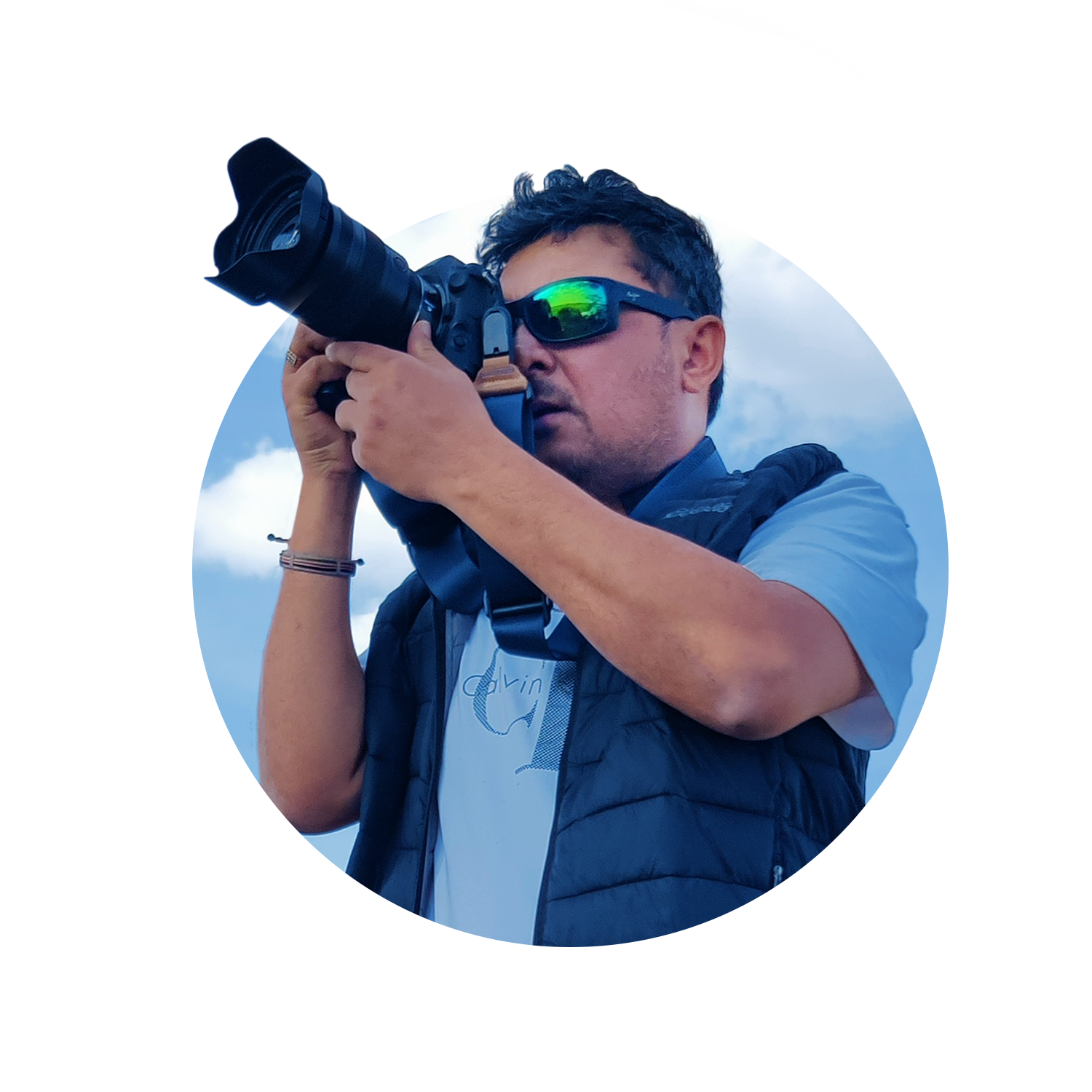
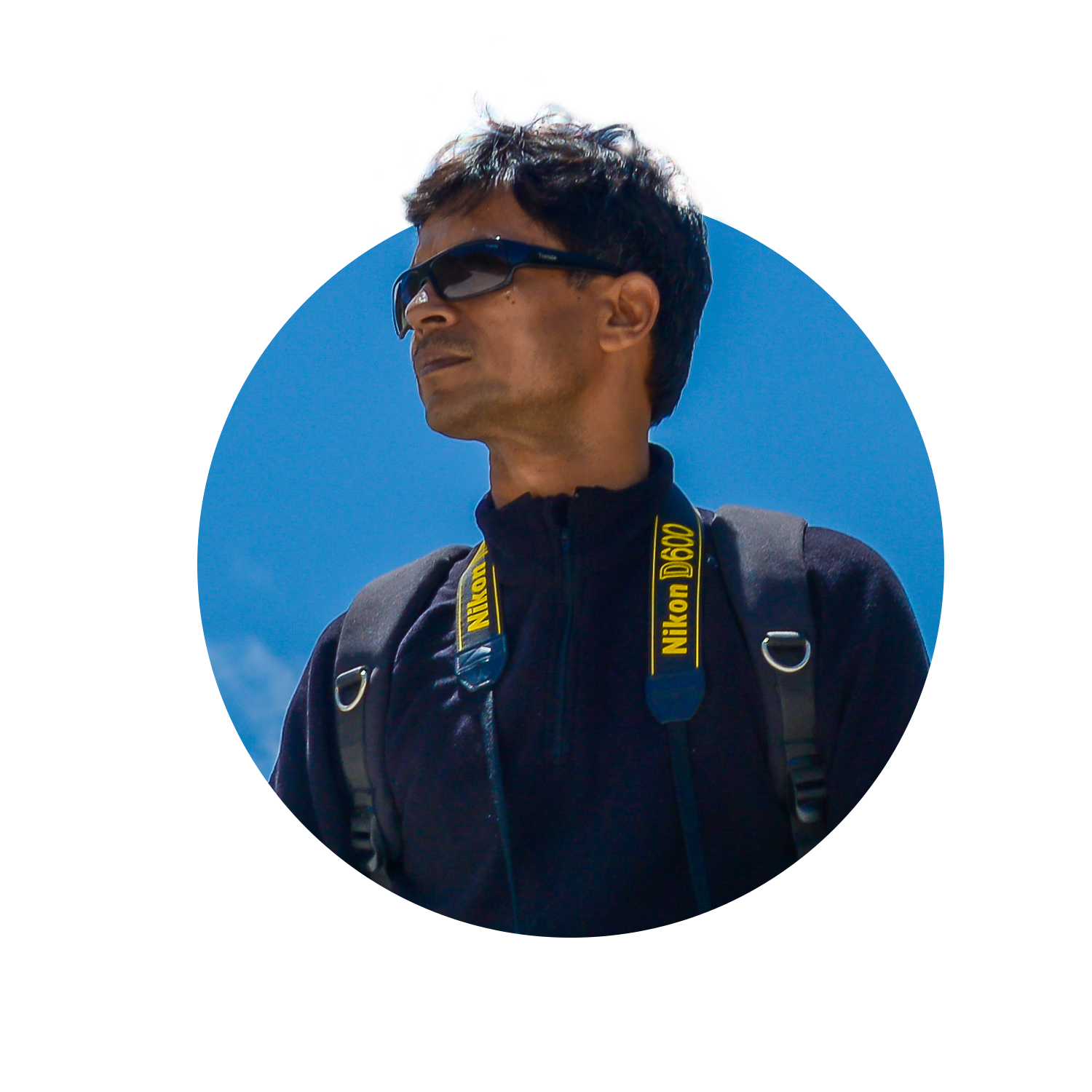
RAJ DESAI

Seven Rhinos

Founder & Mentor

SANJAY PATIL

Seven Rhinos

Virtuoso

Get in touch with us !

    Questions? We've Got You

    There are no FAQs yet.

    Reviews

    There are no reviews yet.

    Be the first to review “Namibia Photography Expedition — Self‑Drive Adventure”

    Your email address will not be published. Required fields are marked *